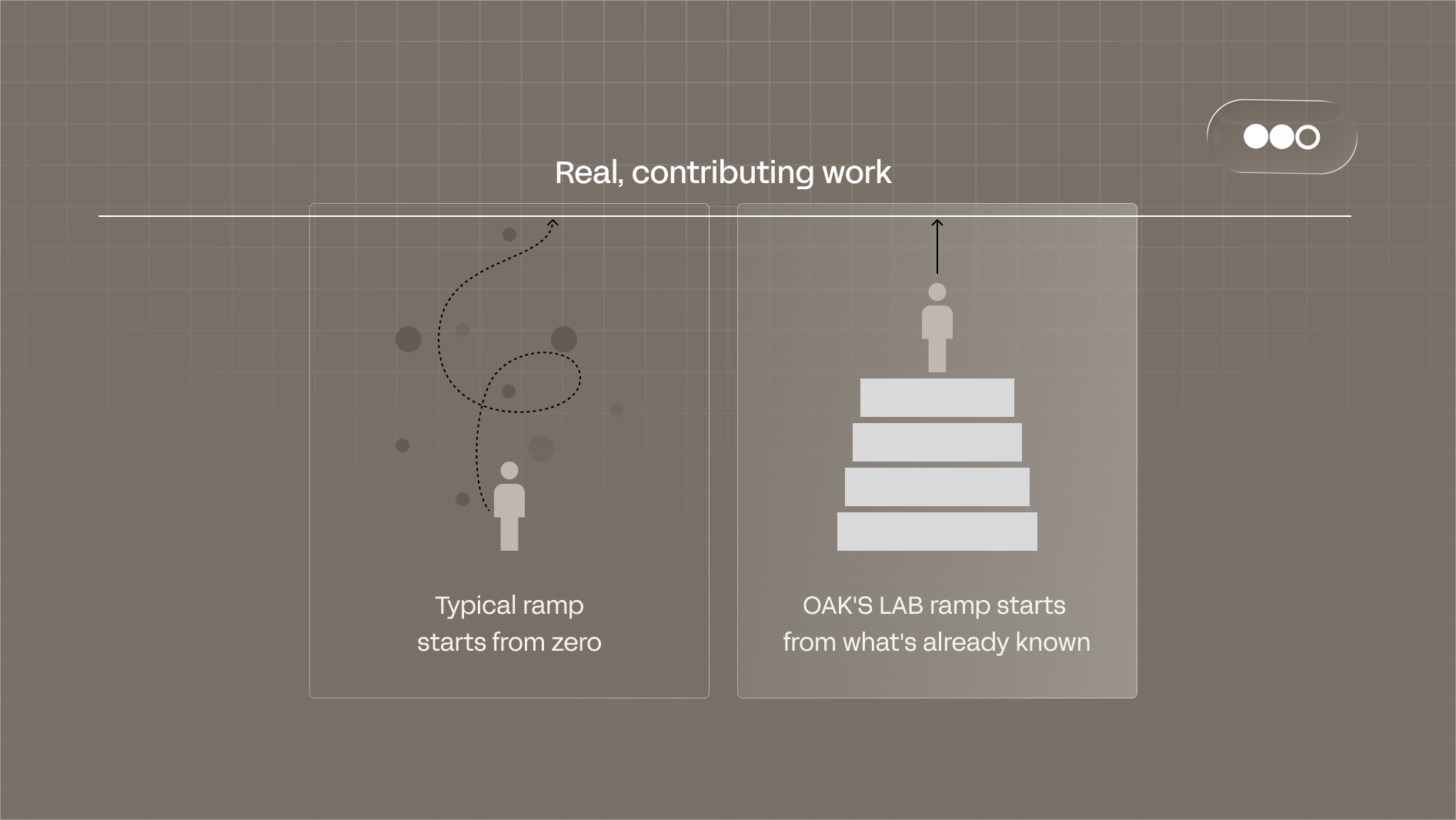


The quiet fear when you bring in a partner
Every CTO who has ever brought in an outside engineering team is bracing for the same thing: the ramp. The weeks of onboarding calls, the “getting up to speed,” the invoices that arrive before anything ships. The unspoken worry is that you are paying for people to learn your codebase on your clock, and that real output is a month or two away.
It is a reasonable fear, because it is often true, and it is expensive in a way that rarely shows up on the invoice. Every slow week is a week your roadmap does not move. The cost is not just the fees during ramp, it is the delay to everything downstream of it.
But slow ramp is not a law of nature. Ramp speed is far less about the individual engineer than about the system they walk into. When it is slow, it is usually because onboarding was left to chance. When it is fast, it is because someone designed it that way. Here is how one of our teams onboards an engineer, and why the shape of that first week is a deliberate choice rather than luck.
Ramp is a process, not a waiting period
The mistake is treating onboarding as passive time: hand someone repo access and a wiki link and hope they surface in two weeks. The alternative is to treat it as an active, designed process, with the explicit aim of getting a new engineer into real work quickly rather than leaving them to read documentation for two weeks.
That aim changes everything upstream. To hit it, the context an engineer needs cannot be scattered across someone’s memory, a stale wiki page, and three chat threads. It has to be captured, current, and retrievable. So a lot of the work of a fast ramp happens before the engineer arrives.
What the first week actually looks like
It starts with the people, not a document dump. In the first days the new engineer gets the full picture directly from the leads: the PM frames the product, what it is, why it’s being built, who it’s for; the designer explains how the design process and design-to-engineering handover work; and the tech lead walks through the stack, how the project is structured, the tooling, how the team uses AI, and how code review works. A senior engineer wants the problem and the shape of the system before touring the code, and this front-loads exactly that.
Setup is treated as a first-class task, not a scavenger hunt. The repo carries real documentation: a thorough README and CONTRIBUTING guide explaining how to get the project running and start contributing. It also carries AGENTS.md and CLAUDE.md files that, while written primarily to give AI tools the context to work in the repo, double as an unusually clear map for any human on the team. The tech lead schedules a dedicated call to get the engineer’s environment running locally and shares the environment variables then, so day one is not lost to dependency errors.
They are set up to self-onboard, deliberately. The new engineer gets their OAK’S LAB Claude account and is encouraged to use it to go deep on any part of the app they need, so understanding the system is not bottlenecked on someone else’s calendar.
A first task is ready before they arrive. The lead group already has a clear assignment ready for the new engineer to pick up, so it’s handed over early and they can start researching the repo for exactly what that work touches and how things are set up for it. Real work, chosen on purpose, rather than a toy task or an open-ended “have a look around.”
There is a standing feedback loop from the start. Biweekly one-to-ones between the tech lead and each engineer give people a place to raise anything that is in their way, ask for guidance, or just give feedback. In the first few weeks especially, this is how the team catches a ramp that is not going smoothly before it becomes a problem.
The point is not that every new joiner ships a finished feature by Friday. It is that within the first week a senior engineer has the product context, a working environment, a real task underway, and a direct line for help, which is a completely different starting point from “still reading docs.”
Why this actually works
What makes this pace realistic isn’t the calibre of one individual, it’s the system they walk into and how they think.
The bigger factor is that our engineers think in terms of the product, not just the ticket. An engineer who understands what the client is trying to achieve makes better decisions in their first week than one executing instructions, because they can tell which details matter and which are noise. That’s why the first week starts with the product and the user, not the repo.
Experience helps too, our engineers have joined enough teams to know how to join one, and only the top 0.4% of the talent we see makes it in. But experience only ramps fast when it’s dropped into a context system built to receive it. The speed comes from the process, not the person.
The part that has changed: engineering the context itself
The biggest shift in how fast people ramp is that context is now something you build and maintain, not something that lives in people’s heads. Each project carries a living, written knowledge base: how the system is structured, why key decisions were made, how the team works. It is kept current because it is used every day, including by the AI tools the team works with, not written once and abandoned.
That is why the AGENTS.md and CLAUDE.md files matter beyond the AI: a project whose context is captured well enough for a model to work from is, not coincidentally, a project a new human can understand quickly too. An engineer arriving into a well-tended context system is not starting from zero; they are starting from the accumulated understanding of everyone who came before them. Ramp stops being a tax each new person pays and starts becoming an asset the team compounds.
This is the unglamorous engineering behind onboarding that actually moves quickly. It is not about heroics or long hours. It is about refusing to leave onboarding to chance.
What this means if you are choosing a partner
If you are evaluating an engineering partner, ramp is one of the more honest things you can probe, because it reveals how they actually operate. A few questions cut through the pitch:
- What does the first week look like, specifically? A partner who has thought about ramp can describe it concretely. One who hasn’t will talk about “onboarding” in the abstract.
- What will a new engineer be doing by the end of week one? You are listening for “into a real task,” not “still getting set up.”
- Where does project context live? If the answer is “in the team’s heads” or “we document as we go,” expect slow ramp and fragile handovers. If there is a real, maintained knowledge system, expect the opposite.
- How do they use product context and their tooling to onboard? The mechanics, the lead-group intro, the setup call, the living docs, are what make a fast ramp real, and a serious partner will have specifics.
The reason this matters beyond the first week is that a team that onboards well is a team that has its context in order, and that same discipline is what lets it absorb change, hand work off cleanly, and stay fast as it grows. The first week is a small test that tells you a lot about how the whole engagement will go.
The takeaway
Slow ramp is not inevitable; it is what happens when onboarding is left to luck. A fast ramp is what happens when you design it: senior engineers who know how to join a team, a first task chosen to matter and ready before they arrive, context captured so no one starts from zero, and a feedback loop that catches problems early. Done right, a new engineer is doing real work in their first week rather than watching from the sidelines, and that is the difference between paying for weeks of learning and getting weeks of progress.
Subscribe to our newsletter and receive the latest updates from our CEO.
Top articles
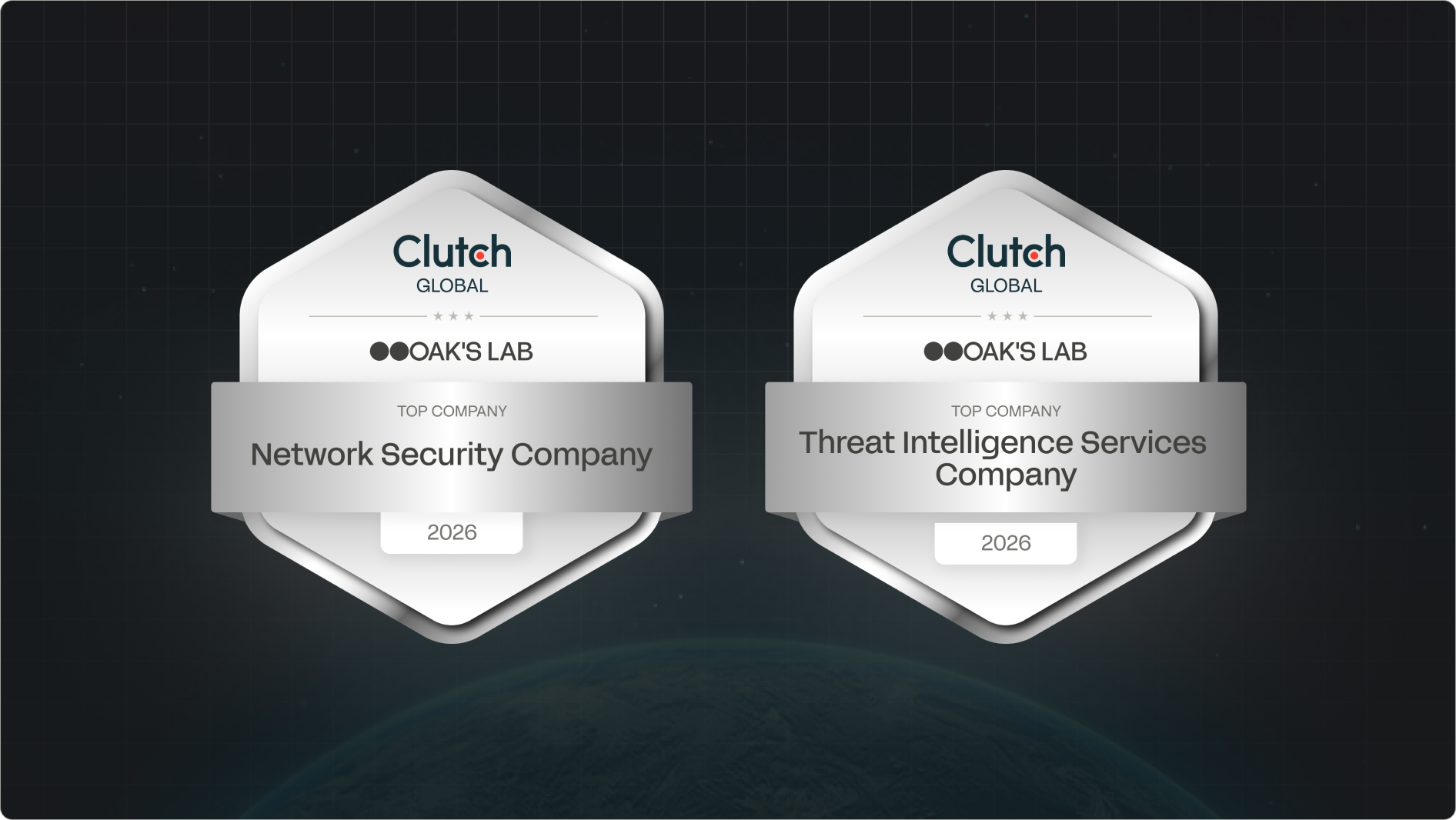
OAK'S LAB named a 2026 Clutch Global winner in threat intelligence and network security
August 3, 2026
OAK'S LAB has been named a 2026 Clutch Global winner, ranking among the top firms worldwide in threat intelligence and network security.

How to Find the Right Outsourcing Software Development Partner: A Framework for CTOs
July 15, 2026
A CTO's framework for choosing an outsourcing software development partner: the questions to ask, and the green and red flags that predict how a build will actually go.
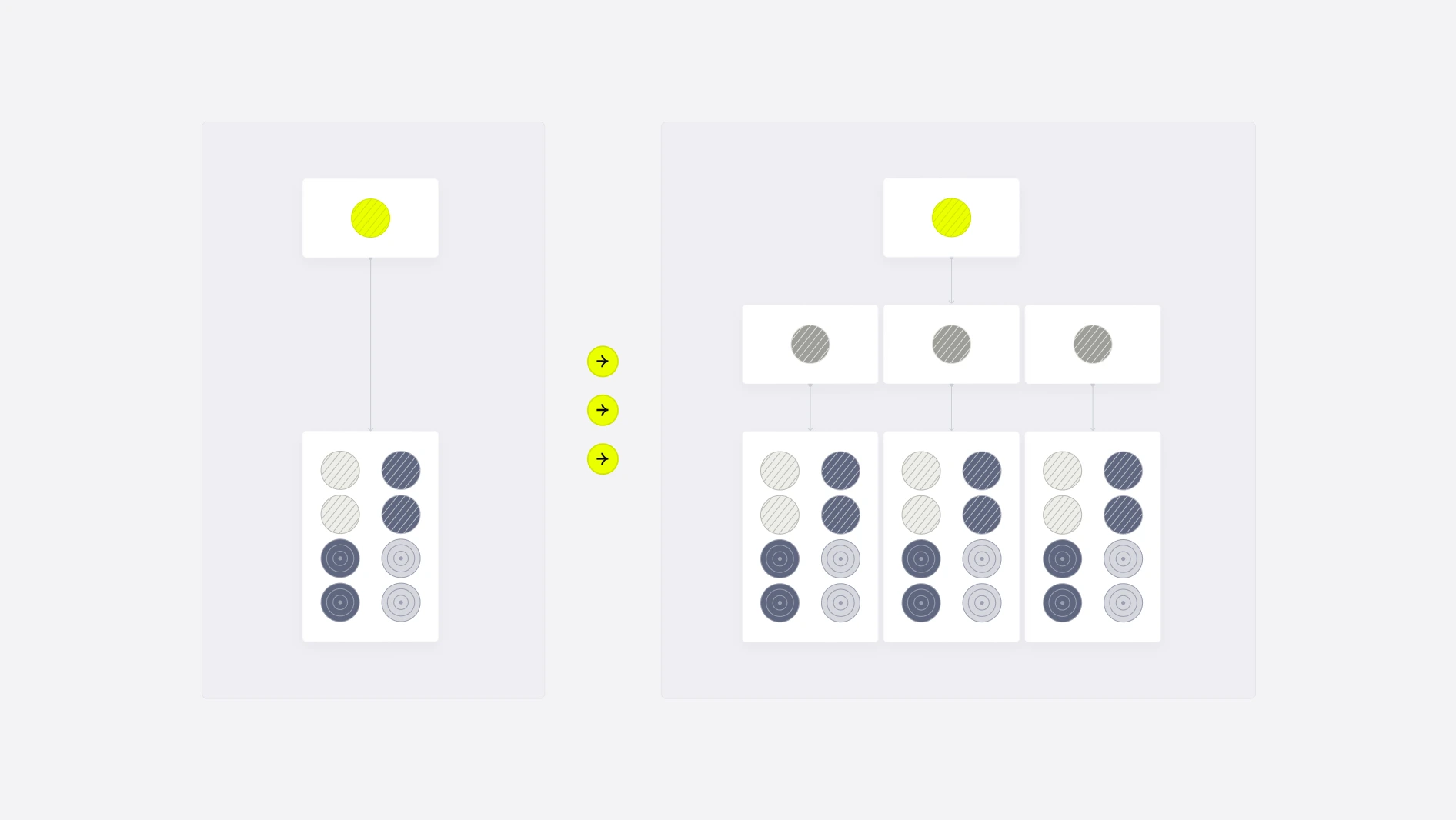
From Monoliths to Modular: How to Structure Engineering Teams as You Scale
July 23, 2025
Scaling tech companies often hit bottlenecks as old engineering structures slow progress. This guide covers when to restructure, proven team models, and key principles to scale effectively.

A Practical Guide to Building Agentic AI Products
January 9, 2025
Agentic AI systems transform workflows by using specialized agents to achieve customized, efficient, and scalable solutions. At OAK'S LAB, we design these systems to help businesses adapt and thrive in an AI-driven world.

Building AI-Powered Products Without ML Teams
October 15, 2024
Learn how to build AI-powered products without a dedicated machine learning team. This article outlines practical steps for integrating AI using pre-built models, improving your product's personalization, automation, and efficiency with minimal investment.

The OAK’S LAB WAY: An Introduction to Our Product Development Methodology
January 23, 2023
Our product development methodology designed to take an early-stage startup from pre-seed to series A and beyond.

How to Set Your Startup’s Mission & Vision
March 14, 2023
The twin north stars navigating startup founders and our teams on the journey to build a product that makes a big impact in the world.

Building Products with LLMs | 7 Tips for Success
August 1, 2023
Over the last few months, we’ve been fortunate enough to work with some startups that have LLM-driven products. Here are the best practices that we’ve learned along the way.

The Ultimate 7-Slide Formula for a Winning Startup Pitch Deck
May 24, 2023
Securing a seed investment is great validation and a big boost for early-stage startups; however, for first-time founders navigating the venture capital world isn’t easy. A well-crafted pitch deck can open investor doors and become the starting point from which an investment is made.